

How to Survive the Family Argument
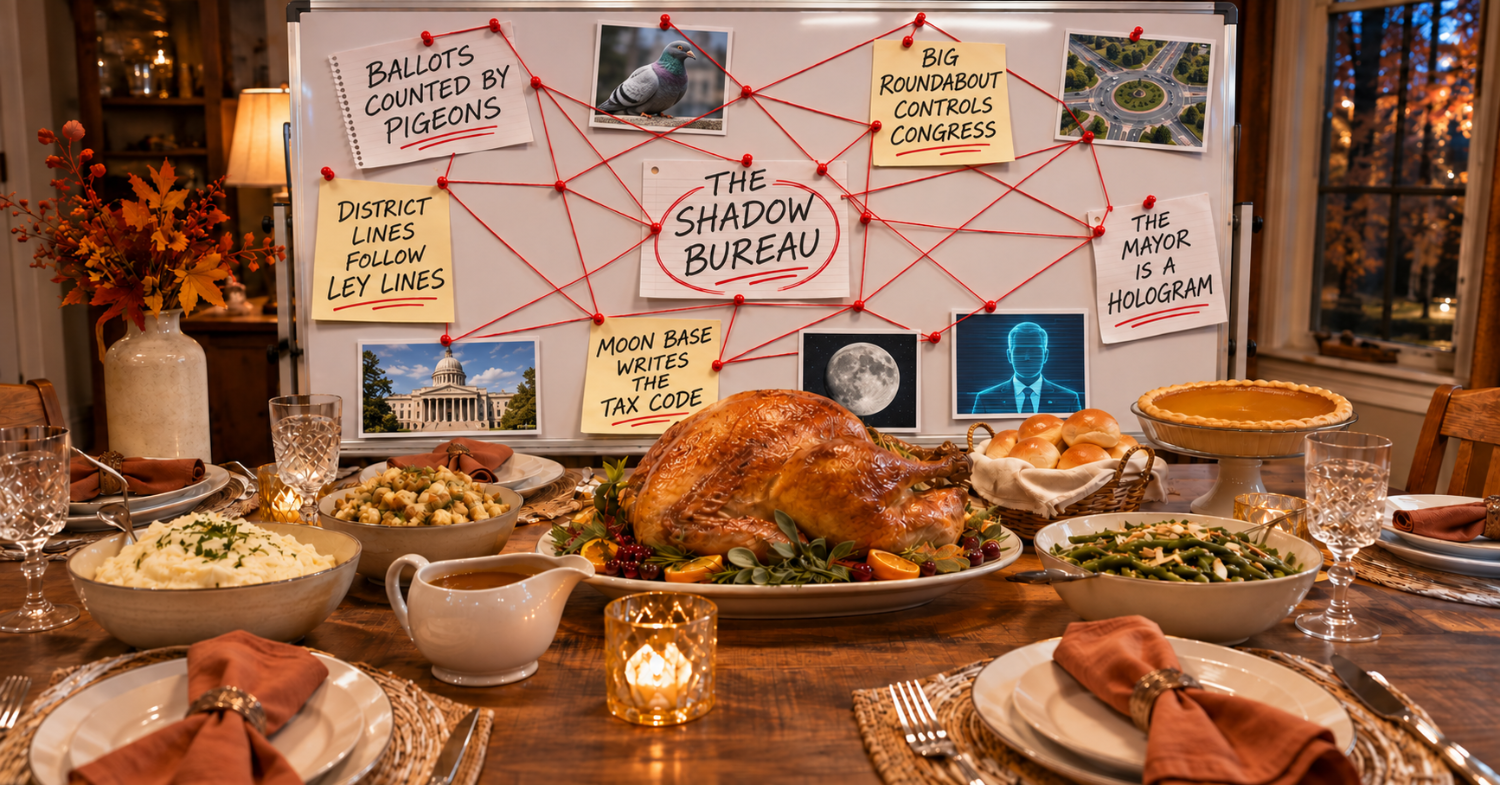
Thanksgiving is Thursday. Somewhere between the blessing and the second plate, someone at the table is going to repeat a headline, and you are going to know it is wrong.
A lot of you have told me what happens next. You bring the source. Nobody reads it. Then the source becomes the problem.
This is not a guide to winning. Nobody wins at Thanksgiving. This is a guide to recognizing the moves, so you stop taking them personally and stop spending good sources on people who were never going to open them.




1 / 6
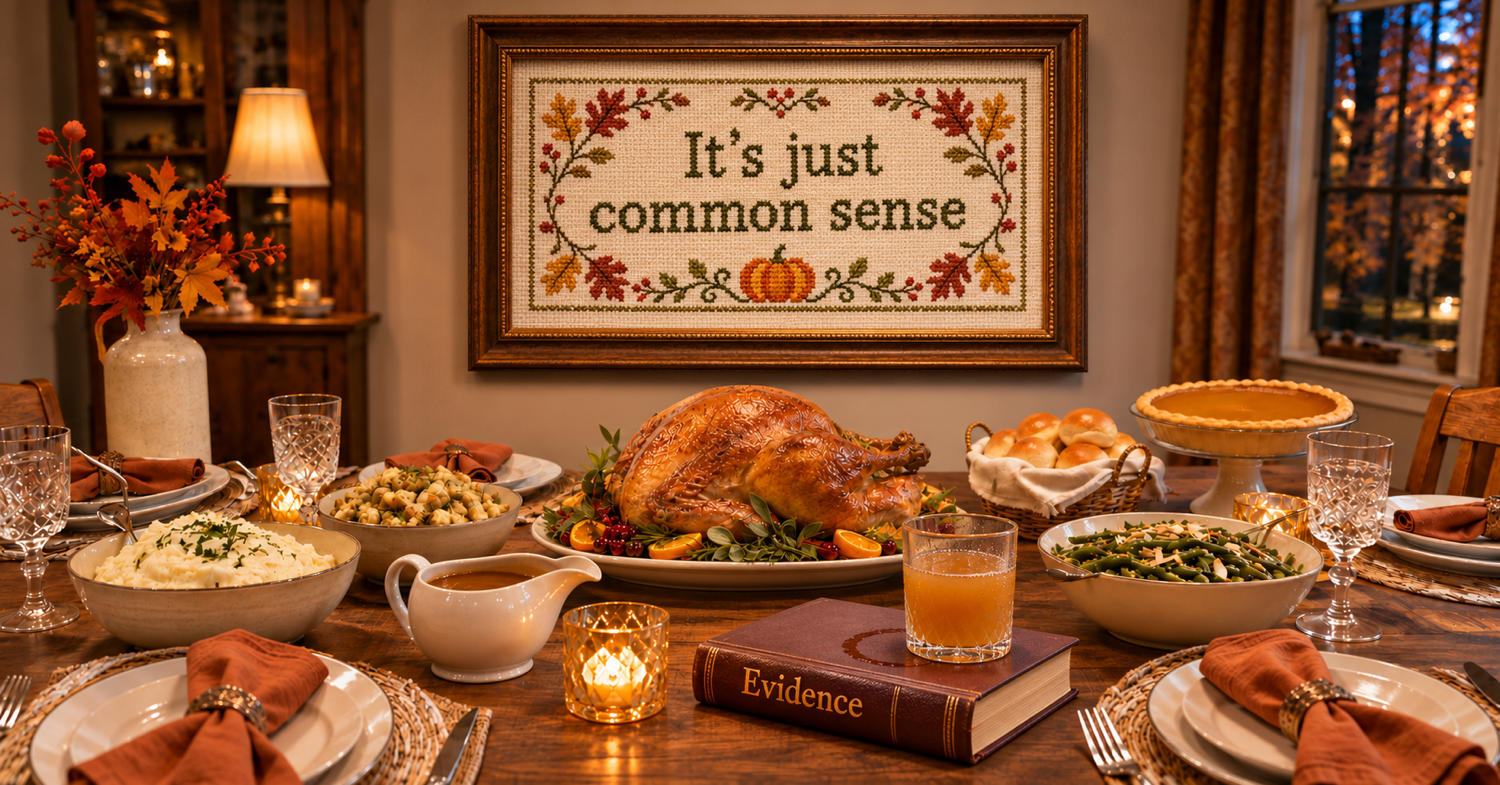
"It's just common sense."
What it sounds like: They make a claim. You ask for evidence. They tell you they don't need evidence. They have common sense.
What’s happening: “Common sense” is standing in for evidence. It feels true, so it gets treated as true. Plenty of things felt like common sense right up until somebody checked.
What to say: “If it’s common sense, it should be easy to check. What’s it based on?” Then let them answer. Either they have something, or the table watches them realize they don’t.
2 / 6
"You can find a study for anything."
What it sounds like: Every source you could bring is thrown out before you bring it, because sources exist on both sides.
What's happening: If every source counts the same, none of them count, and nobody ever has to change their mind. It sounds like skepticism. It's the opposite.
What to say: "Sure. So which one would change your mind?" If the answer is none, you learned something. It just wasn't about the topic.
3 / 6
"That's just your source."
What it sounds like: The outlet gets attacked instead of the claim.
What's happening: The messenger is easier to argue with than the evidence. Sometimes the criticism is fair. Usually it's a way to skip the content.
What to say: "Fine. Set the outlet aside. Is the number wrong?" Make them argue with the data, not the logo.
4 / 6
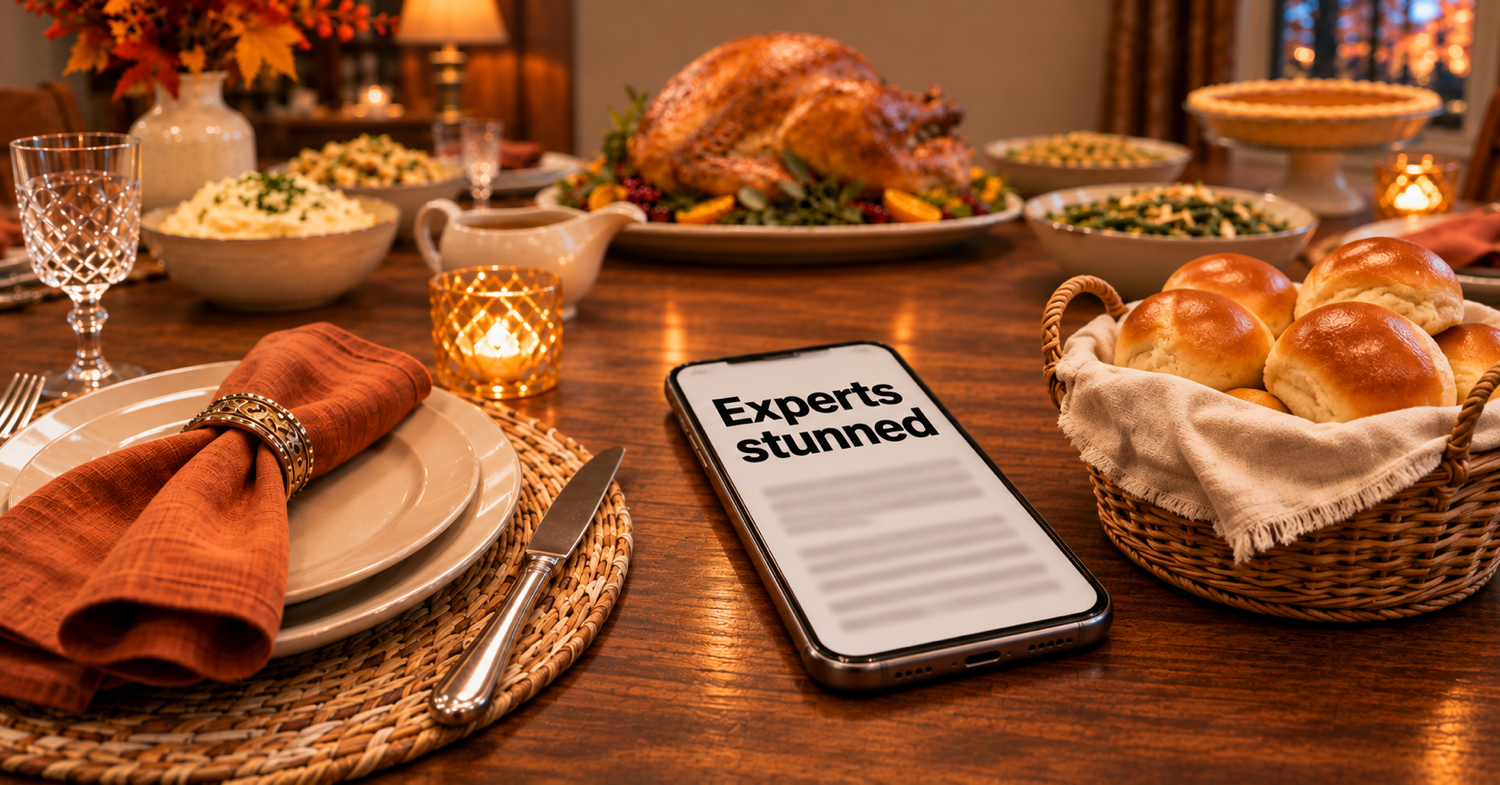
The headline nobody read past
What it sounds like: A confident summary of an article, delivered with total certainty, that the article doesn't support.
What's happening: Headlines are written to be shared, not to be complete. Most people stop at the headline. The headline did its job.
What to say: "Did the article say that, or did the headline?" Then ask to see it. The phones are already out at the table anyway.
5 / 6
"Do your own research."
What it sounds like: You're told to look it up. They never share what they looked up.
What's happening: The burden of proof just got handed to you. Whoever makes the claim supports the claim. That rule doesn't take holidays off.
What to say: "You brought it up. What did you find?" Then wait. The silence is the answer.
6 / 6
The goalposts walk across the yard
What it sounds like: You answer the question. Now the question is different.
What's happening: The original claim is gone, and nobody admitted it was wrong. The new one gets the same confidence the old one had.
What to say: "Hold on. A minute ago it was something else. Are we agreeing that one was wrong?" You don't need them to say yes. You need everyone at the table to notice the move.
When to let it go
Some people at the table are asking questions. Some want a fight. You can tell which by what happens after you answer.
If they engage with what you said, keep going. If they change the subject, the topic or the volume, you're done. Going back to your plate isn't losing. It's declining to argue with someone who already decided your sources don't count.
And remember who's listening. You're rarely going to change the mind of the person across from you. You might change the mind of the cousin at the end of the table who hasn't said a word all night. That's who you're really talking to.
Before you go
If you want the full set, with names, examples and answers for each, that's what the Logic and Verbal Combat Field Guides are for. They're in the Debater's Reference Library.
And if you want practice, Render an Argument VODs are available on YouTube. Call in. Bring the headline.
Enjoy the food. Bring your sources. Know when to leave them in your pocket.